What a mitigation system actually is
The systems installed in Lincoln homes are almost always active sub-slab depressurization systems. Radon rises out of the soil and gets pulled into a house through the slightly lower air pressure inside — through slab cracks, floor joints, sump pits, and utility penetrations. A mitigation system reverses that pressure relationship. A hole is opened through the basement slab (or an existing sump pit is sealed and used), a PVC pipe runs from that suction point up through the house or along an exterior wall, and an inline fan near the top pulls soil gas out from under the foundation and exhausts it safely above the roofline, where it disperses harmlessly.
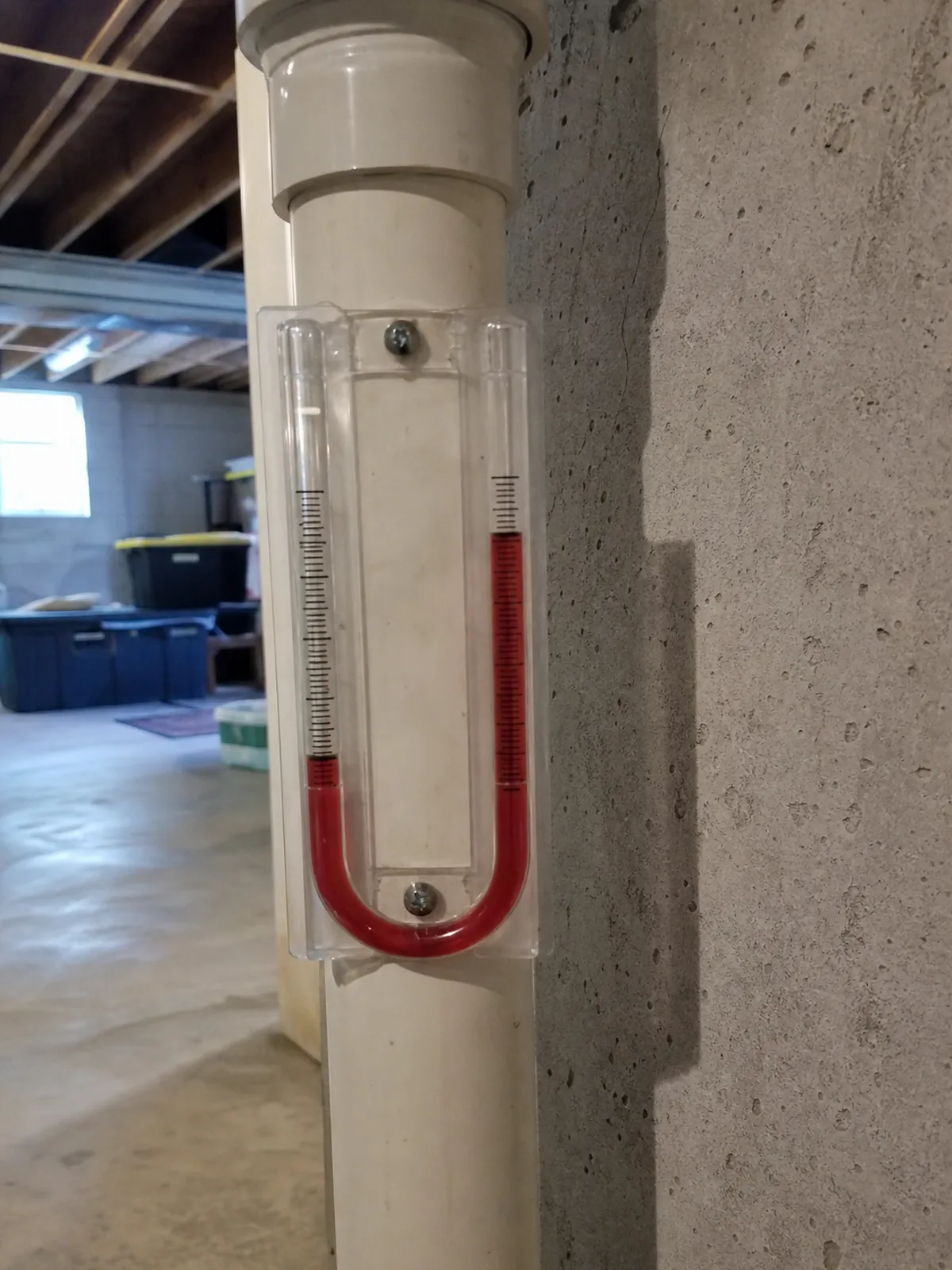
A manometer — a small U-shaped tube of colored fluid mounted on the pipe — shows the pressure difference at a glance. Fluid offset means the fan is pulling; fluid sitting level means it isn't. It's the one part of the system you should glance at a couple of times a year.
When Lincoln homes need one
The trigger is a test result. The EPA recommends mitigation at or above 4.0 pCi/L and suggests considering it between 2.0 and 4.0. In practice, the most common paths to this page are a radon test ordered during a real estate transaction, a home inspector flagging levels to a buyer, or a homeowner testing after learning that roughly half of Nebraska homes come back above the action level. Lancaster County sits in EPA Zone 1, the highest radon-potential band, so a high reading here is normal geology — not a defect in your particular house.
- A transaction test came back at or above 4.0 pCi/L and the sale needs it resolved
- Your own charcoal or digital test read high, especially during a closed-up winter
- A newer home has passive rough-in piping that still tests high and needs a fan added
- A finished basement is becoming a bedroom, office, or family room and you want the air handled first
Why the installation varies house to house
Two Lincoln homes on the same street can need noticeably different systems. What's under the floor decides the design: a full basement with a sump pit often lets the pit serve as the suction point, while a slab with no pit needs a hole cored through the concrete in the right location. The soil under the slab matters too — loose fill communicates suction well, while tight clay may need a larger suction pit excavated under the opening. Then the pipe has to get from the lowest level to above the roof, either up through closets and the attic (hidden, protected from weather) or up an exterior wall (simpler routing, visible from outside).
What affects cost and scope
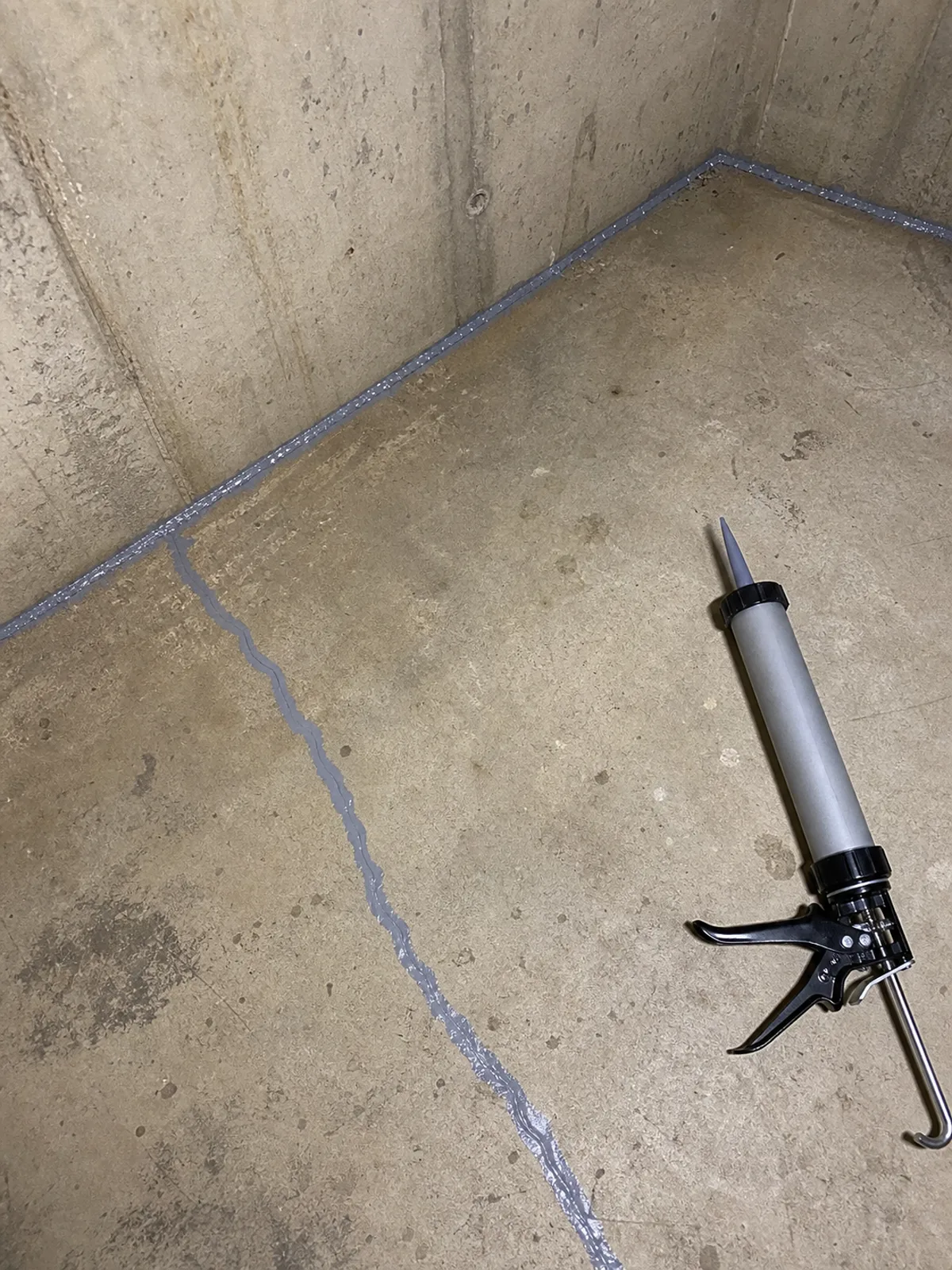
Foundation type is the biggest factor, followed by suction point choice, pipe routing distance, whether the run goes through the attic or outside, and how much sealing the slab and sump need. Combination foundations — a basement plus a crawl space or slab addition — sometimes need a second suction point, which adds work. The cost factors page walks through each of these. Because the design depends on the house, quotes are discussed against your layout rather than promised instantly; for many standard basements, a phone conversation about your foundation gets most of the way there.
What happens after you call or request a quote
The conversation starts with three things: your test number, your foundation type, and whether you have a sump pit. From there, either a quote can be discussed directly or a quick look at the house settles the routing questions first. On installation day, the work is contained — a suction point, the pipe run, the fan, sealing of accessible slab openings, and the manometer. Afterward, a retest confirms the level dropped below the action line. If the result came from a home sale, that retest documentation is what the transaction usually needs.