Lincoln Radon Specialists helps homeowners in Lincoln, Waverly, Hickman, and the rest of Lancaster County with radon mitigation system installation, crawl space mitigation, radon testing, and system repair. Most homeowners reach out after a home radon test — often during a real estate transaction — comes back at or above 4.0 pCi/L. Call or send the callback form to talk through your reading and what a mitigation system for your home would involve.
You don't need to understand the fix before reaching out — a test result and your foundation type is plenty to start.
Results are measured in picocuries per liter (pCi/L).
Every home draws radon in a little differently, so the fix depends on what's under your floor. These are the four ways that gets handled.
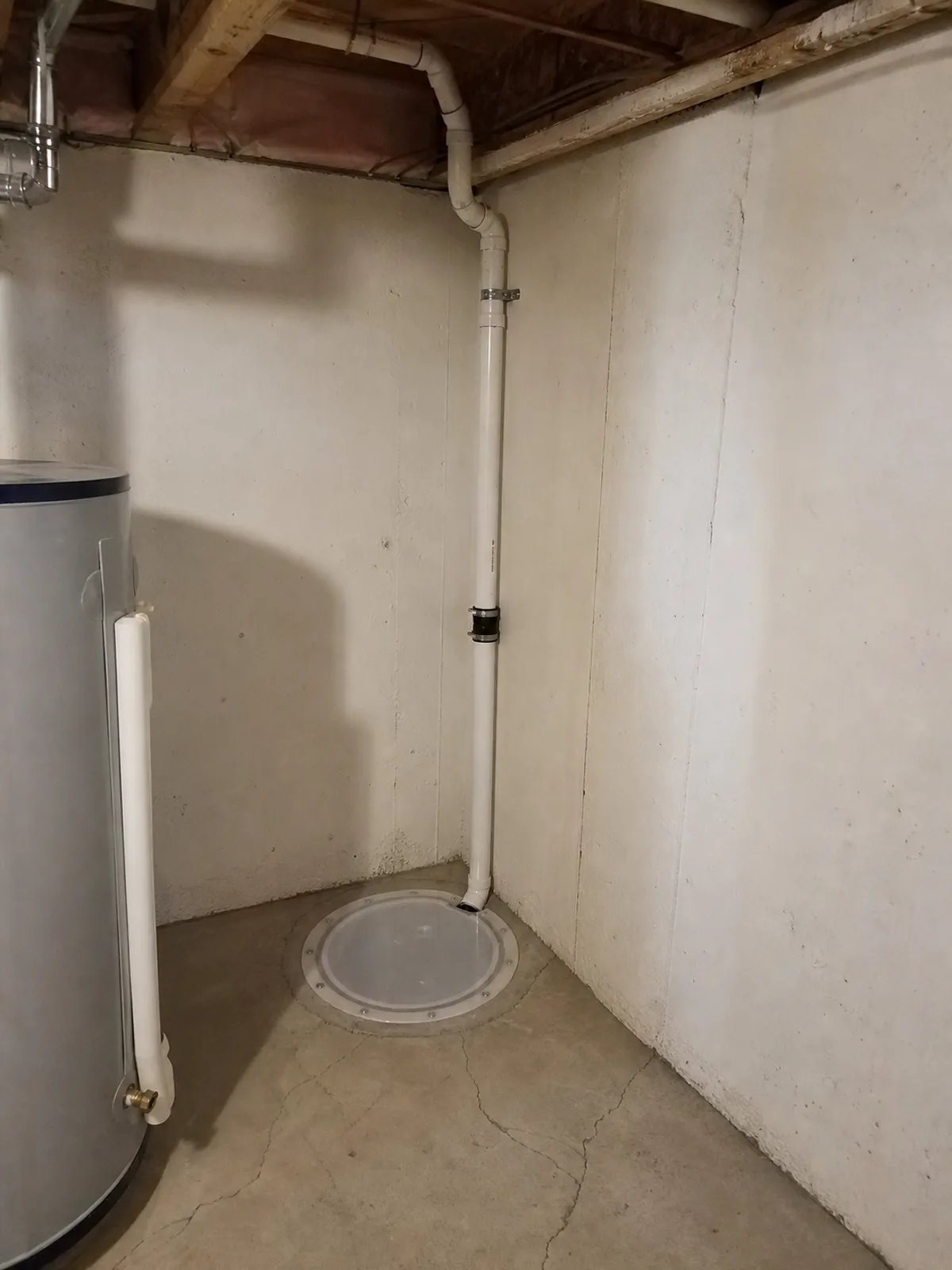
Sub-slab depressurization systems — the standard fix for most Lincoln basements and slab-on-grade homes. A suction point, pipe run, and fan sized and laid out to fit your foundation.
How installation works →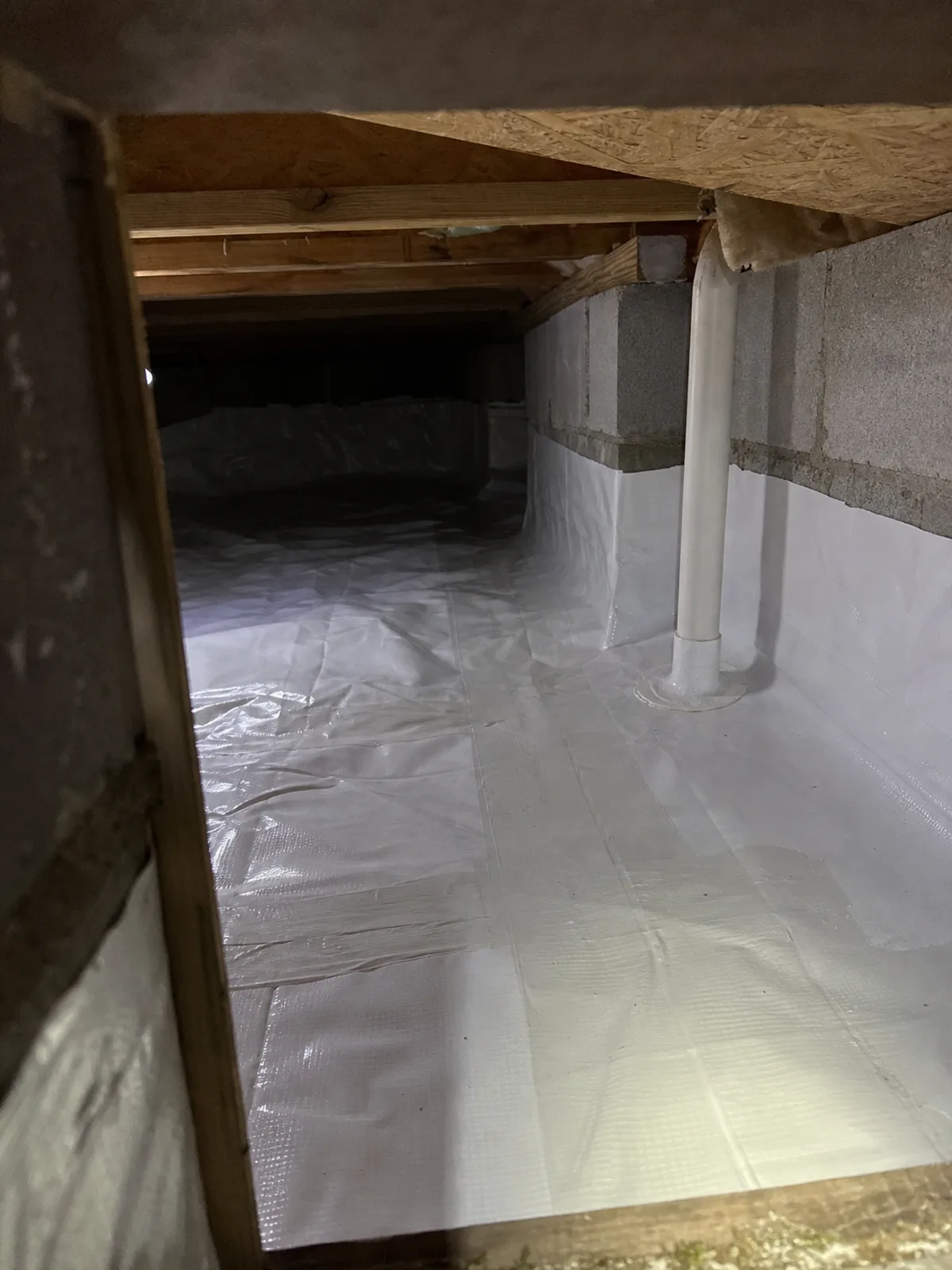
Sub-membrane systems for homes with crawl spaces or mixed foundations, common in older Lincoln neighborhoods and on acreages outside town.
Crawl space details →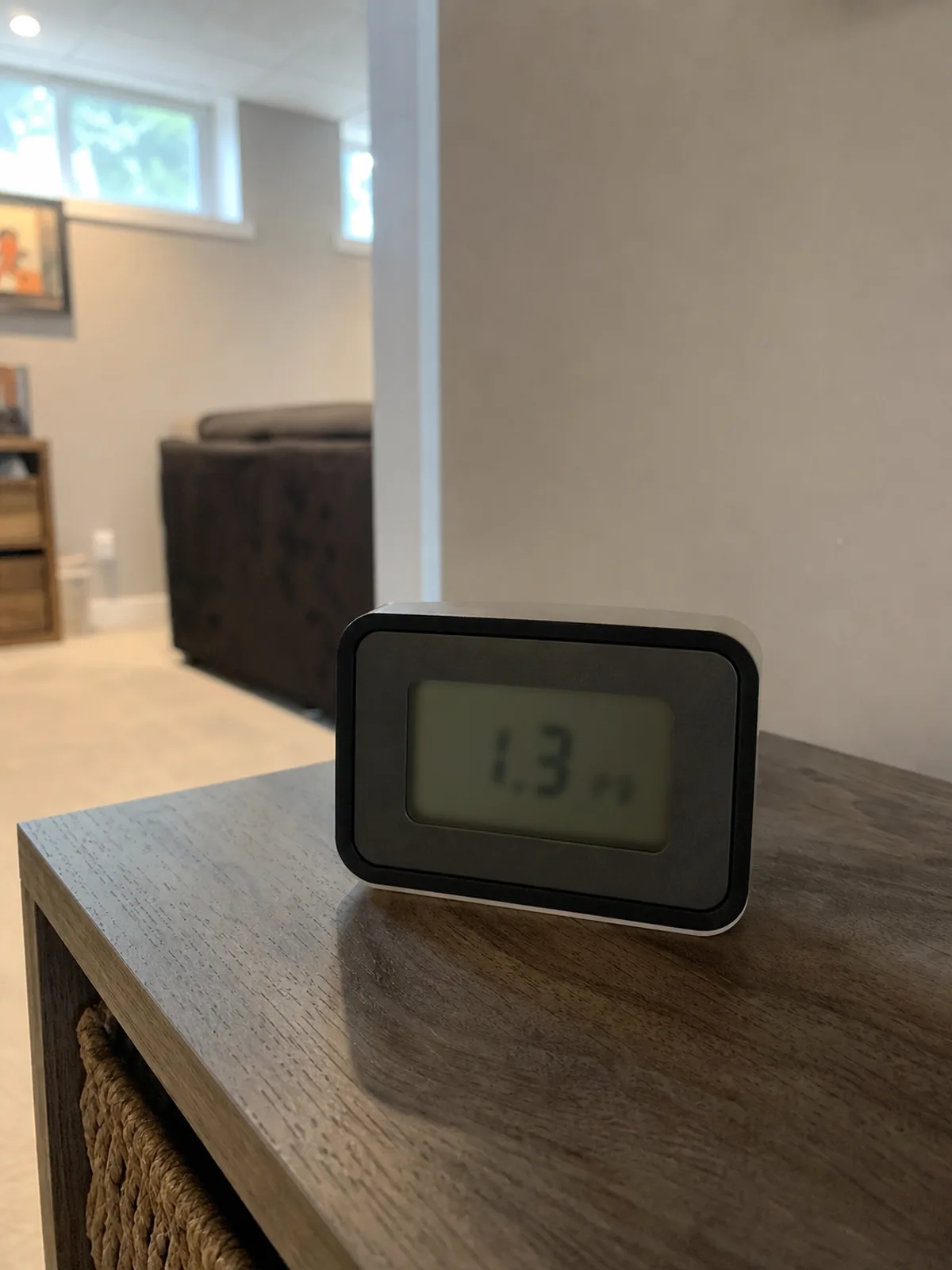
First-time tests, second opinions on a transaction result, and post-mitigation retests that confirm the system actually brought levels down.
Testing options →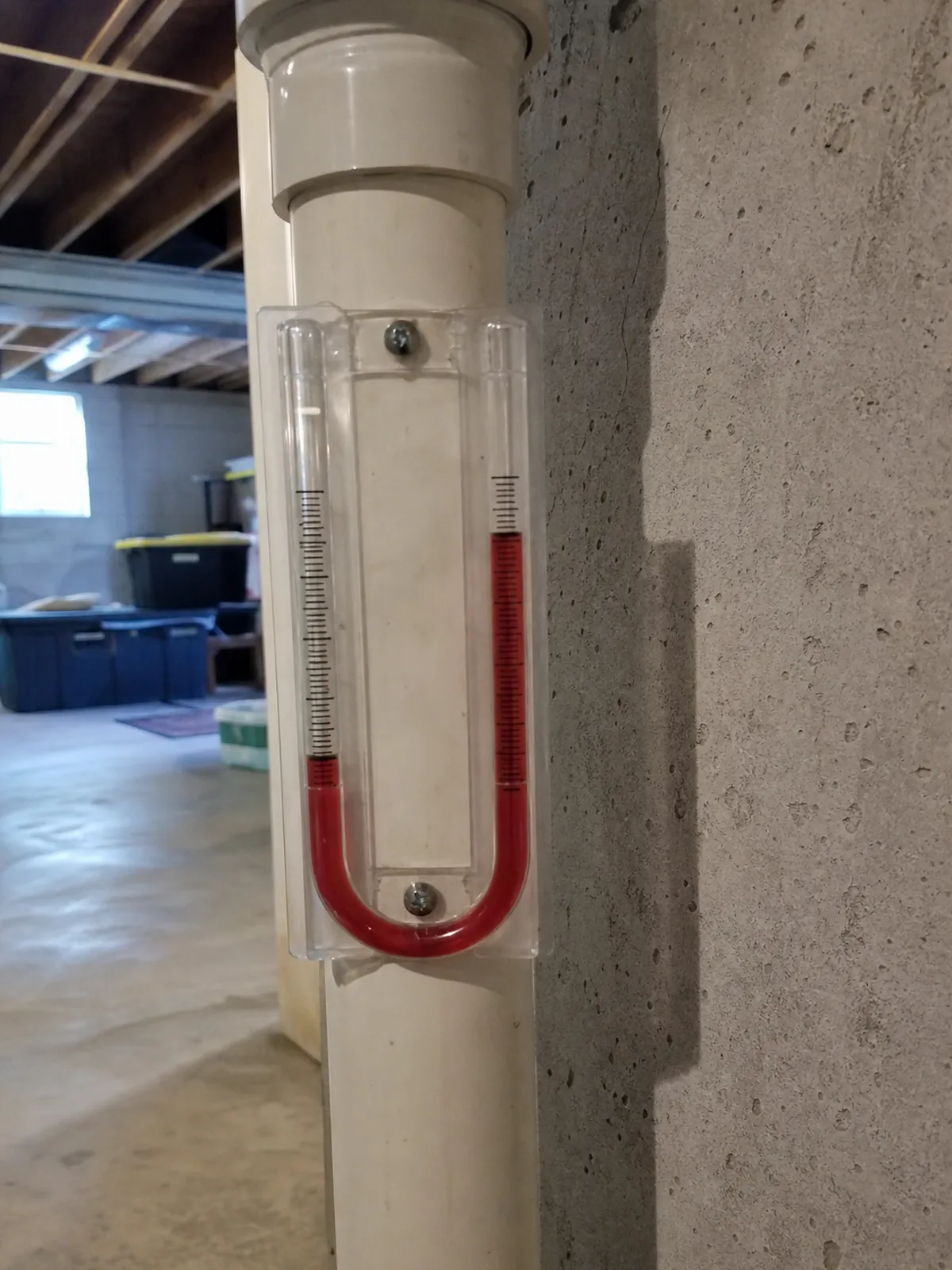
Fans that have stopped running, manometers reading zero, and systems installed by a previous owner that were never verified.
Repair details →Share your test number, your foundation type, and whether there's a sump pit. That's all that's needed to start.
Some homes can be scoped from those details; others need a quick look at slab condition and routing options first.
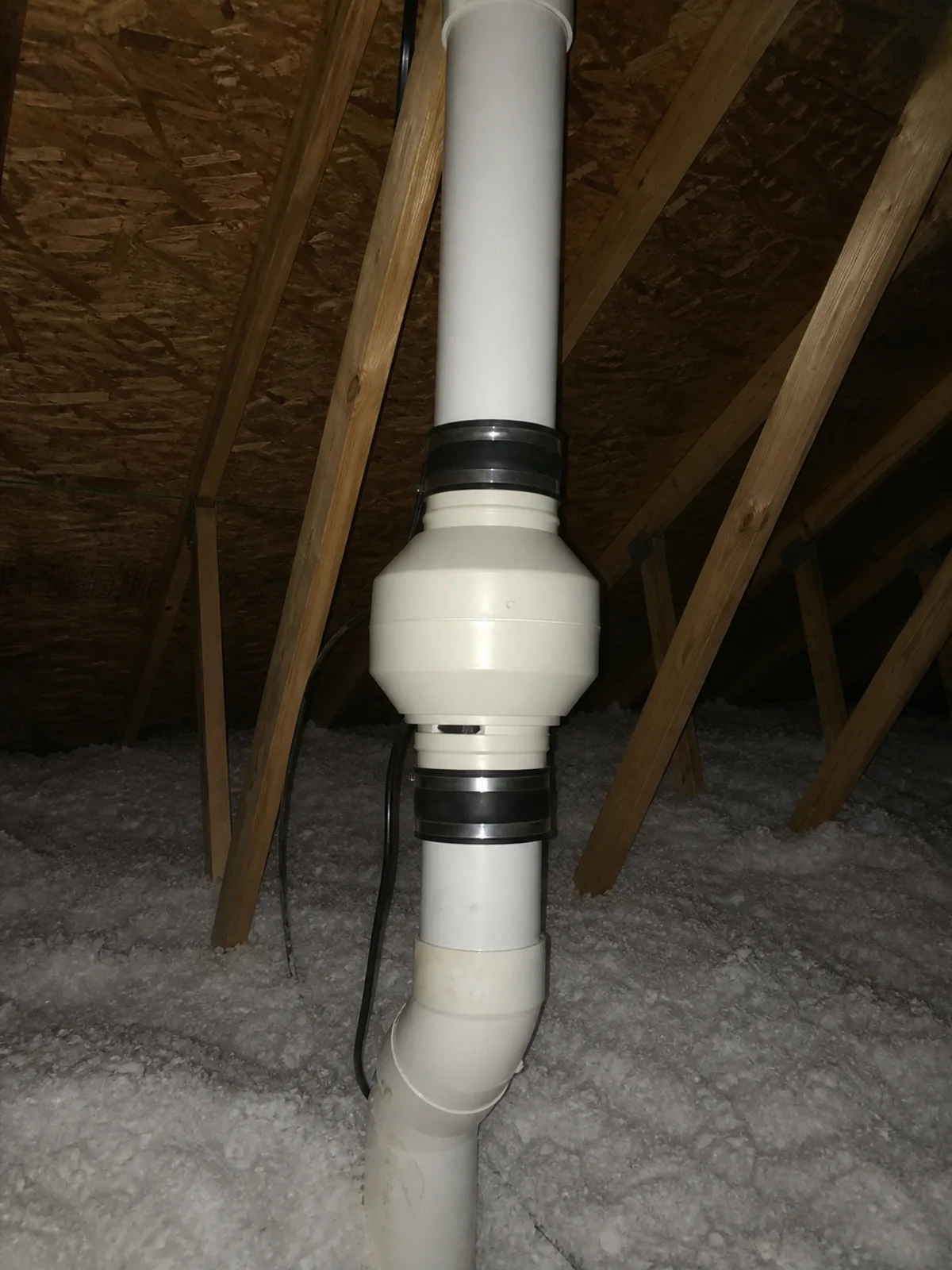
Most standard installations are completed in a day: suction point, pipe run, fan, sealing, and a manometer so you can see it working.
A follow-up test verifies levels dropped below the action level — the number is the proof, not a promise.
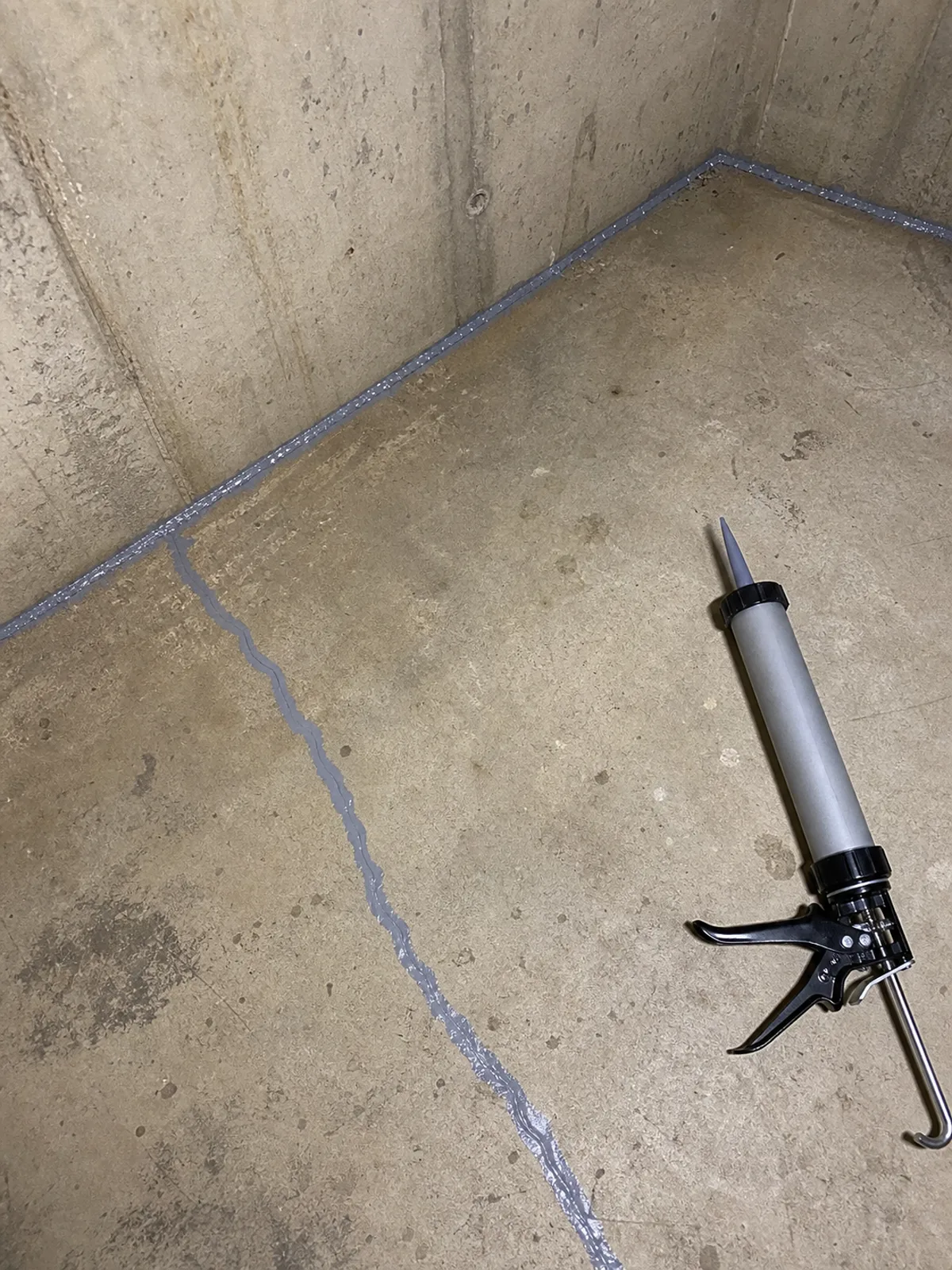
Lancaster County sits in EPA Zone 1 — the highest radon-potential designation. The glacial soils under Lincoln release radon gas that gets pulled into homes through sump pits, floor cracks, and slab joints, and tight winter closed-house conditions concentrate it indoors. Older basements near downtown and in the Near South, newer walkouts in south Lincoln, and slab homes all draw it in differently — which is part of why mitigation systems aren't one-size-fits-all.
Newer Lincoln homes are often built with passive radon rough-in piping under Nebraska's radon-resistant new construction rules. Those systems frequently still test high until a fan is added — activating one is a smaller job than a full installation.
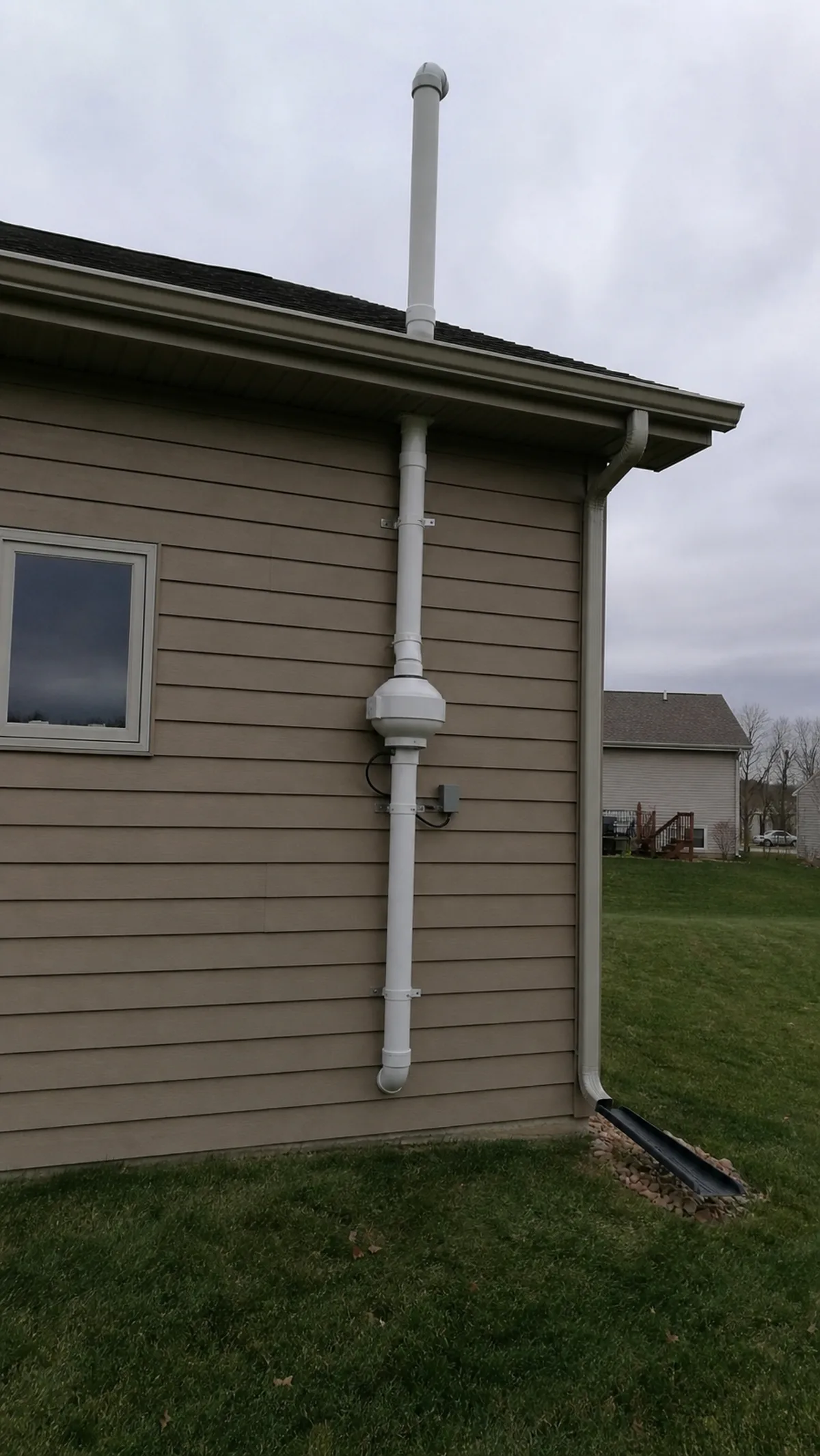
Most Lincoln mitigation systems fall in a fairly predictable range, but the specifics of your home decide where in that range you land: foundation type, whether a sump pit can serve as the suction point, how far the pipe has to run to a safe exhaust point, whether an attic or exterior route makes more sense, and how much sealing the slab needs. Homes with more than one foundation type sometimes need a second suction point. That's why pricing and system scope are discussed against your home's layout rather than promised instantly — a short conversation about your foundation usually narrows it quickly.
See the full cost factors page →The EPA recommends mitigating at or above 4.0 pCi/L, and considering it between 2.0 and 4.0. Radon levels also swing with seasons — a summer reading just over the line is often higher in winter, when the house is sealed up. If the result came from a real estate transaction test, the buyer's side usually expects mitigation. Call to talk through your specific number.
Yes. Your reading, your foundation type, and whether you have a sump pit are enough to start the conversation. Some homes can be scoped from that; others need a quick look first — either way, you don't need to figure anything else out beforehand.
Yes — Nebraska licenses radon measurement and mitigation professionals through the Department of Health and Human Services, and mitigation systems are expected to follow recognized standards. It's one reason radon work in Lincoln shouldn't be treated as a DIY or general handyman job.
Most single-suction-point systems on a standard basement are installed in a day. Homes with combination foundations or long pipe runs can take longer — that gets covered when the system plan is discussed.
Builders often install passive rough-in piping without a fan. Passive systems help, but in Zone 1 soil they frequently aren't enough on their own. Adding a fan to activate the existing piping is usually a smaller job than a full installation.
Both, honestly. Radon is the second-leading cause of lung cancer in the United States according to the EPA, and it's also a standard checkpoint in Nebraska home sales. Whether you're fixing it for the sale or for the years you plan to live in the house, the fix is the same system.
One conversation about your test result is enough to find out what fixing it involves. Call or send the callback form — whichever is easier.